
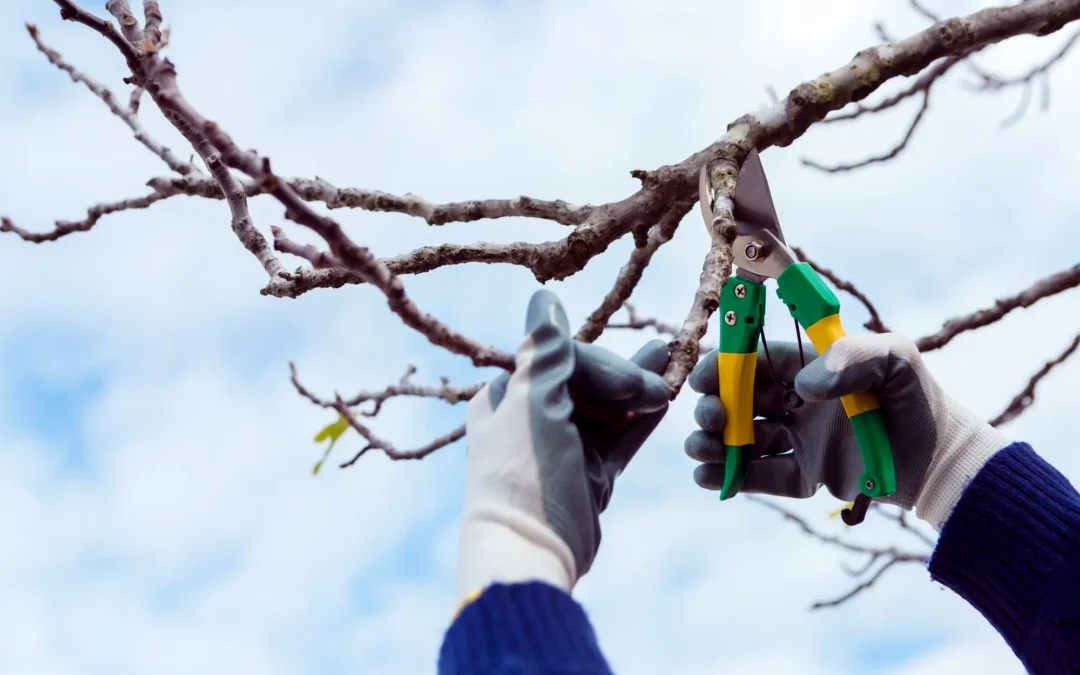
One of the best investments you can make in your landscape is understanding proper seasonal tree care and what it takes to keep your trees thriving through every season. Rather than reacting to problems as they arise, a consistent year-round tree care routine helps you get ahead of damage, disease, and decline before they take hold.
From managing summer heat stress to knowing when and how to prune in spring and fall, to protecting your trees through winter dormancy, routine tree maintenance is the foundation of a healthy, beautiful landscape. It takes time and knowledge, but with the right approach (and the right team at your side), great trees in every season are absolutely achievable.
Since we’re based in Colorado, we’ve also put together seasonal tree care guidance specific to our state. Read our Colorado Tree Care Guide here. The tips below, however, apply to tree owners across the entire country.
Winter Tree Care & Maintenance: Protecting Trees During Dormancy
Winter is known as the ‘dormant’ season in the tree care world. While your trees aren’t actively growing, they’re far from invincible. Understanding how to care for trees in winter is essential, dormant doesn’t mean damage-proof, and winter injuries left unaddressed can seriously compromise the health of your trees come spring.
Here’s what to watch for and how to protect your trees through the coldest months of the year.
Injury Prevention
Winter Die-Off
Winter die-off occurs when parts of the tree freeze and die, leaving them unable to produce new cells or growth. Affected limbs become brittle and unpredictable, a real liability during high winds or spring storms.
Signs of winter die-off include:
- Vertical cracks or holes where bark is missing
- Dry, brittle wood that breaks off easily
- Large amounts of fungus
- Exposed, smooth wood with little to no bark
- Sores or cankers on branches
To prevent winter die-off and frost damage, shade the trunk using a burlap wrap. Combined with proper pruning and fertilization during the right seasons, this simple step goes a long way toward keeping trees healthy through the cold months.
Sunscald
In Colorado, and many other parts of the country,winter sun can be deceptively damaging. A warm, sunny winter day can heat up the tree trunk enough to break dormancy, activating cells and tissue. When nighttime temperatures plummet, those newly active cells are killed off. Over time, this cycle causes sunken, discolored bark that eventually falls away, exposing dead tissue beneath.
To prevent sunscald, use a crepe-paper commercial tree wrap. Start at the base and wrap upward to just above the lowest branches. Apply in late October or November before true winter sets in, and remove the wrap each April to prevent girdling and insect damage.
For gardeners in humid regions with high summer temperatures, sunscald can be a year-round concern, not just a winter one.
Salt Injury
Road salt runoff is a frequently overlooked threat to tree health. Over time, dissolved salts alter soil structure, causing compaction that limits your trees’ access to water, oxygen, and essential nutrients. In severe cases, salt exposure can cause desiccation and significant stress.
To minimize salt injury:
- Be mindful of where you shovel snow, keep salt deposits away from areas where runoff could reach plant roots.
- If salt exposure is unavoidable, apply two inches of water around the base of affected plants in early spring to flush out salt buildup. Repeat later in the same week for best results.
Winter Watering
Snowfall alone isn’t enough to keep your trees hydrated through winter. In many parts of the country, winter brings dry spells that can put real stress on trees and shrubs, even while they’re dormant. Incorporating winter watering into your seasonal tree care routine helps ensure your trees emerge from dormancy in healthy condition.
On warmer winter days, soak the soil several inches deep and allow it to dry out completely before watering again. Here are some additional tips:
- Water only when air temperatures are above 50°F
- Water at midday so moisture has time to absorb before overnight freezing
- Aim to water at least once per month
- As a general rule: provide 2 gallons of water per diameter inch of trunk. A 4-inch tree needs 8 gallons per watering. Measure trunk diameter at knee height.
- Newly planted trees and shrubs need extra attention,newly planted medium shrubs require 5 gallons twice per month from October through March.
Winter Tree Trimming
Winter is actually one of the best times to trim most trees, especially fruit trees. Here’s why it works so well:
- Trees are dormant and not producing new growth, so trimming causes minimal stress
- Cuts heal faster with the full growing season ahead
- Without foliage, the tree’s structure is fully visible, making it easier to identify problem branches
- Pests and diseases that target fresh cuts are largely inactive in winter
We’ve put together a detailed guide on DIY tree trimming if you’d like to take this on yourself.
Not sure if your trees made it through winter unscathed?
Request a free inspection from our certified arborists, we’ll catch problems early before they become costly repairs.
Spring Tree Care Tips: How to Prepare for the Growing Season
Spring is the season where all your winter preparation pays off. The ground is thawing, new growth is emerging, and there’s a limited window to set your trees up for success before the heat of summer arrives. Here’s a practical seasonal tree care checklist for spring.
Prepare the Soil
Winter snow and ice can create water pockets at the base of trees, leading to trunk damage and root rot. Start spring with a thorough inspection of your soil:
- Check and raise soil levels where water has sunk and pooled
- Fill cracked or compacted soil with fresh, healthy soil and water it in well
- Walk the property and pull any invasive plants like English ivy or crabgrass
- Apply 2–3 inches of mulch around the base of each tree, but keep it away from the trunk itself to prevent rot
Spring Fertilization: Give Your Trees a Boost
Early spring is one of the most effective times to fertilize. Trees have active root growth, soil moisture is favorable, and the weather is mild, meaning nutrients are absorbed efficiently rather than washing away or sitting unused.
Trees need three core nutrients to thrive: nitrogen, phosphorus, and potassium. These are frequently depleted in urban soils, which makes professional fertilization an important part of any tree care and maintenance routine.
Avoid fertilizing in the peak heat of summer when trees are under drought stress, or in deep winter when roots can’t absorb nutrients effectively. Spring and early fall are your windows.
Learn more about our professional Tree Fertilization Service.
Spring Clean-Up and Wildfire Prevention
Spring cleaning isn’t just aesthetic, it’s a key part of keeping trees healthy and reducing risk on your property. Remove any dead, diseased, or broken branches that didn’t survive winter, and thin out thick growth at the base of each tree to promote airflow.
For those in fire-prone regions, spring is also the time to reduce wildfire risk:
- Do not stack branches or woody debris under trees or shrubs
- Remove invasive woody plants from beneath cottonwoods
- Prune branches from ground level up to 10 feet (or one-third of tree height, whichever is less) to eliminate ladder fuels
- Thin out less-desirable trees to reduce competition and improve vigor
- Leave enough young growth for habitat and natural regeneration
Early Spring Pruning
Seasonal tree trimming in early spring, before the peak growing phase kicks in gives trees the best chance to recover quickly. This is also an ideal time to address any abnormal growth patterns that might restrict healthy development over the coming months.
Avoid heavy pruning in late spring when trees are in their most active growth phase. Early is better.
Spring Pest Prevention
Spring pests don’t wait. There’s a narrow window between dormancy ending and an infestation taking hold, and acting early is everything. The specific threats will vary by region and tree species, so we recommend researching the pests most common in your area and consulting with a certified arborist if you’re unsure where to start.
Explore our Pest & Disease Management service for proactive, season-specific protection.
Ready to set your trees up for a strong growing season?
Our certified arborists can build a custom spring care plan for your property. Get in touch to schedule a consultation.
Summer Tree Care: The Best Routine for Hot Climates and High Heat
Summer is when your trees are in full swing actively growing, photosynthesizing, and drawing heavily on soil nutrients. For most healthy, established trees, summer requires less intervention than spring or fall. But don’t mistake ‘less work’ for ‘no work.’ Heat, drought, and pest pressure in summer can quickly turn a healthy tree into a struggling one.
If you live in a hot, dry climate, a strong summer tree care routine is just as critical as what you do in the active growing season.
Prevent and Recognize Heat Stress
High summer temperatures and extended dry spells put trees under considerable stress. Learning to recognize early signs of heat stress is one of the most important tree care tips you can apply:
- Wilted, drooping, or curling leaves
- Early or excessive leaf drop
- Pale or yellowing foliage
- Poor fruit development or premature fruit drop
- Edges of leaves browning and drying out (leaf scorch)
To manage and prevent heat stress in your trees:
- Water regularly, particularly before a heat wave. Infrequent, deep watering is more effective than frequent shallow watering.
- Water in the early morning or overnight when temperatures are cooler, this reduces evaporation and gives water time to reach the root zone before daytime heat sets in.
- Replenish mulch around the base of the trunk (keeping it away from the bark itself). A 2–3 inch mulch layer retains soil moisture and moderates temperature fluctuations.
- Avoid walking on or compacting soil in the root zone during summer, as this limits water infiltration.
Pro tip: The root zone extends well beyond the base of the trunk, water out to the drip line (the outer edge of the canopy) for maximum benefit.
Summer Fertilization
The summer heat and dryness can deplete soil of key nutrients faster than in other seasons, making supplemental fertilization a valuable part of your summer tree maintenance routine especially for trees recovering from heat stress, newly transplanted trees, or mature trees producing heavy fruit or flower crops.
Reasons to consider summer fertilization:
- Roots are actively growing and can absorb nutrients efficiently
- Warm weather and longer days naturally stimulate growth, making nutrients easier to use
- Supports strong root development ahead of winter
- Helps newly transplanted trees establish more quickly
- Corrects nutrient deficiencies that developed during the previous growing season
If you’re unsure whether your trees need supplemental summer fertilization, a certified arborist can assess soil nutrient levels and recommend a targeted approach, rather than guessing.
Summer Tree Trimming
While spring and fall remain the ideal times for major seasonal tree trimming, summer pruning has its place. It’s particularly useful for:
- Removing dead, broken, or storm-damaged branches
- Light shaping to improve airflow through the canopy
- Tree removals (summer access and visibility are often better for large jobs)
- Thinning dense canopies to reduce heat and moisture buildup that can encourage fungal disease
For large or complex pruning work, always consult a certified arborist, improper summer cuts can expose trees to pathogens and pests at a time when stress is already high.
Worried about heat stress or storm damage this summer?
Our team offers summer tree health assessments and targeted care to keep your landscape in great shape all season long.
Fall and Winter Tree Care: Preparing Your Trees for the Cold Ahead
Fall is one of the most important seasons for taking care of trees and one of the most underrated. The work you do in autumn directly determines how well your trees handle winter and how vigorously they bounce back in spring.
As daylight shortens and temperatures drop, trees stop producing chlorophyll, the green pigment that drives photosynthesis and begin drawing nutrients back into their roots and trunk for winter storage. This is the signal to begin your fall tree care routine.
Why Leaves Change Color: A Quick Explainer
Understanding your trees’ biology helps you time your fall care correctly. Leaf color change is driven by two main pigments:
Yellow and Orange Leaves: These colors come from carotenoids, the same pigment found in carrots and bananas. It’s present in leaves all season but masked by chlorophyll until fall.
Red and Purple Leaves: These are produced by anthocyanin, which only develops toward the end of summer. It’s a sign that the tree is actively preparing for winter.
When you start seeing color change, typically around mid-September, it’s the right time to begin your fall tree care routine.
Initial Fall Clean-Up
Start by inspecting every tree and shrub on your property for signs of disease or damage:
- Look for discolored patches, oozing cracks, or cankers on branches and trunks
- Check leaves for dark spots, shrinkage, or unusual browning
- Remove any dead or diseased branches before they become a liability in winter storms
If you spot anything suspicious, get a second opinion from a certified arborist before winter fully sets in. Fall is much easier to work in than the frozen ground of January.
Seasonal Tree Trimming in Fall: Shape Before Winter
Once the majority of leaves have fallen, you have a clear view of each tree’s canopy structure making fall an ideal time for a careful, strategic trim. Remove any weak or vulnerable branches that could snap under snow and ice load. It’s also a great time to address any odd growth patterns before they become structural problems.
Mid-September to early November is the sweet spot for fall seasonal tree trimming in most parts of the country.
Raking and Leaf Management
Thick layers of unraked leaves can trap moisture and invite snow mold, which may spread to your trees’ root systems. That said, a light scattering of leaves left to decompose naturally isn’t harmful, it can actually return small amounts of nutrients to the soil. The goal is to prevent dense, smothering piles rather than to remove every leaf.
Fall Watering
Even as temperatures drop and leaves fall, your trees are still drawing significant water and nutrients from the soil. The work of shedding leaves is energy-intensive, and after a hot summer, trees are often running low on reserves. Use a subsurface probe to distribute water evenly through the top 12 inches of soil in the root zone. This is where the majority of water and nutrient uptake occurs.
Fall Fertilization
Fall is one of the best times to fertilize, second only to spring. A slow-release fertilizer applied in fall gives trees the maximum window to absorb key nutrients before the ground freezes, supporting their vascular system through winter and setting them up for vigorous spring growth.
Look for a slow-release fertilizer formulated for fall application, quick-release fertilizers in autumn can stimulate tender new growth that’s then damaged by the first frost.
Learn more about our professional fall Tree Fertilization service and what’s included.
Building a Year-Round Tree Care Routine That Works
The best thing you can do for your trees isn’t any single task, it’s building a consistent, season-aware approach to tree care and maintenance. Each season sets the stage for the next, and small, timely interventions prevent the big, costly problems that come from neglect.
If you’re committed to handling your own seasonal tree care, we genuinely admire that. We’ve tried to give you everything you need in this guide to do it well. But if you find the work overwhelming or want professional eyes on a tree you’re concerned about, that’s exactly what certified arborists are here for.
Read our guide: When Should You Hire a Certified Arborist?





Recent Comments