
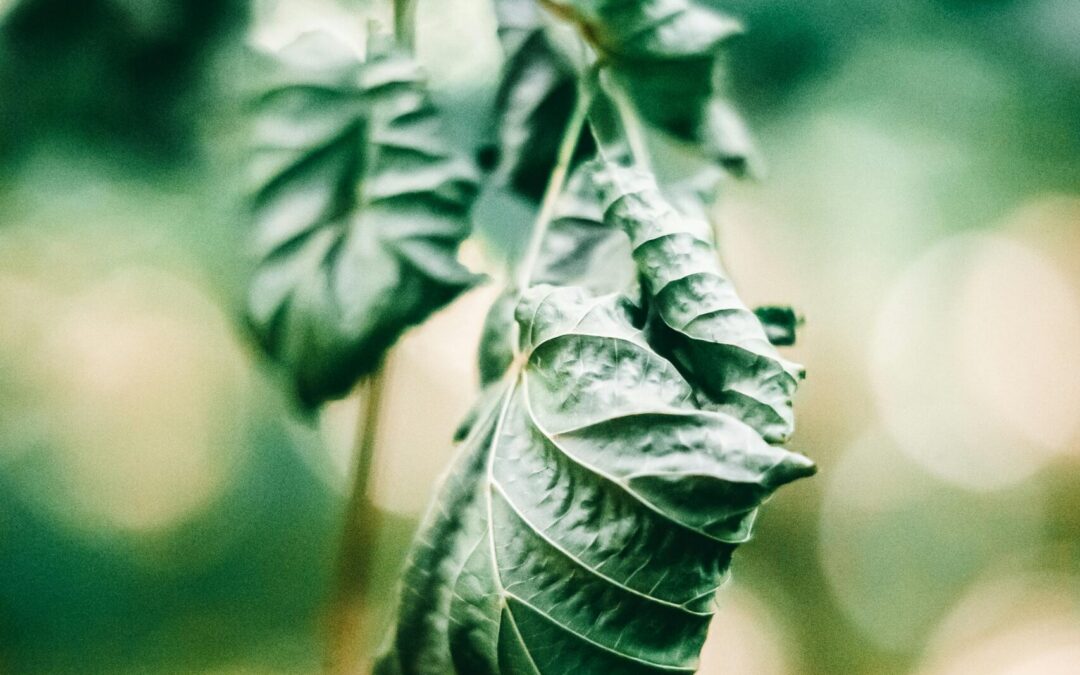
If your trees suddenly look wilted, blackened, or thin after the recent spring freeze, you’re not alone. Many trees across the Front Range experienced damage, especially those with newly emerged leaves.
In the days following the freeze, we’re seeing that the impact appears more significant than initially expected. Certain species, including green ash and honey locust, appear to have been among the hardest hit, although damage can vary widely depending on overall tree health.
New leaves are particularly vulnerable to cold temperatures. Because they are soft and full of moisture, they can be easily damaged by a sudden freeze. Trees with slightly more mature leaves are often better protected, which is why some trees were affected more than others.
Will my trees recover?
In many cases, yes. Most healthy trees have the ability to produce a second set of leaves and recover over time.
However, this process requires energy. Trees rely on their leaves to produce the resources they need to grow and stay healthy. When leaves are damaged or lost, the tree must use stored reserves to push out new growth.
This places the tree under additional stress and can make it more vulnerable to other challenges later in the season.
What should I do right now?
The most important thing you can do is support your tree while it recovers.
Consistent, balanced watering is key. Trees need adequate moisture to rebuild energy reserves and support new growth, but too much or too little water can slow recovery. Maintaining proper soil moisture helps roots function efficiently during this critical period.
Beyond watering, it’s important to focus on supporting overall tree health and avoiding additional stress.
During this recovery period, our team can help guide you through what your trees specifically need. We offer professional tree health evaluations and a range of treatment options designed to reduce stress, support root function, and improve overall tree health.
How can a certified arborist help?
Not all trees are responding to this freeze event the same way. Some may recover with minimal impact, while others may require additional support to regain strength.
An evaluation by a certified arborist can help determine the extent of the damage and identify which trees may be at greater risk. In many cases, targeted treatments can support root health and help trees recover more efficiently from stress.
With the level of damage we’re seeing, early assessment is especially important. Identifying concerns now can help prevent more serious issues later in the season.
Our certified arborists can evaluate your trees, monitor their recovery, and recommend a customized plan.
What should I expect moving forward?
Many trees will begin to push out new growth in the coming weeks, which is a positive sign. However, even trees that appear to recover may remain stressed for the rest of the season.
This can make them more susceptible to drought, insects, and disease. Continued care and monitoring can make a significant difference in how well a tree recovers.
Have questions about your trees?
If your trees were affected by the recent freeze, now is the time to have them evaluated. In the days following the event, we’ve been re-assessing conditions and are seeing that damage in some trees may be more widespread or significant than initially expected.
If you’re noticing significant browning, dieback, or thinning, we encourage you to contact us for a professional evaluation. We can help determine the extent of the damage, identify trees at higher risk, and recommend the right steps to support recovery and reduce long-term stress.





Recent Comments